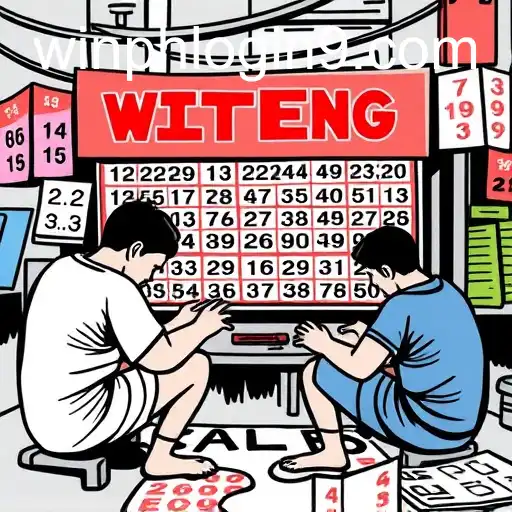
Understanding Jueteng and the Role of Winph Login
Jueteng is a popular illegal numbers game in the Philippines, deeply rooted in the country's socio-cultural fabric. It operates as an illicit gambling activity that draws participants from various walks of life, often seen both as a diversion and as a livelihood option for many Filipinos. Despite numerous efforts by authorities to eradicate it, Jueteng continues to thrive, driven by a complex interaction of social, economic, and political factors.
The Allure of Jueteng
Jueteng is deeply ingrained in Filipino culture, primarily due to its simplicity and accessibility. Participants choose a combination of numbers, often correlating them with significant dates or superstition-driven choices, hoping for a stroke of fortune that could transform their lives overnight. The game taps into the fundamental human desire for quick gains, offering the tantalizing possibility of turning a small bet into substantial reward.
The allure of Jueteng lies in its informality and local convenience. Without any need for high technology or complex understanding, it thrives in communities where mainstream entertainment and lawful forms of gambling might be inaccessible. In these areas, Jueteng acts not only as entertainment but also as a social glue that binds communities through shared hope and common goals.
Winph Login: A Gateway to Modern Gambling
In recent years, the evolution of technology has transformed how gambling activities, including illegal ones like Jueteng, are conducted. The internet has introduced platforms such as Winph, designed to cater to modern-day gambling preferences. Winph Login serves as an entry point to an array of gambling options, providing users with the convenience of placing bets from their homes.
These platforms pose a significant challenge to traditional Jueteng operations by offering a more streamlined, less risky alternative with broader options. However, the integration of online systems requires users to adapt to new technologies, and Winph Login acts as an essential bridge in this adaptation process, ensuring that people can easily access digital gambling.
Jueteng's Socio-Economic Impact
The continued existence and popularity of Jueteng have profound socio-economic implications. On one hand, it can be seen as providing a source of livelihood, creating jobs linked to its operation and management at various levels. Bookies, runners, and collectors are all integral to its extensive network, illustrating how deeply entwined Jueteng is with economic realities in some communities.
On the other hand, the funds circulated within Jueteng networks often escape the formal economy, leading to potential revenue loss for government and other legitimate sectors. Moreover, it can perpetuate cycles of poverty by encouraging spending on games of chance rather than essentials. Despite winning occasionally, many participants incur far more losses, exacerbating economic hardships for their families.
Efforts to Curb Jueteng
Government and law enforcement agencies have long been attempting to dismantle Jueteng operations, focusing on both preventive and punitive measures. These efforts include public awareness campaigns, legislative action to impose stricter penalties on operators and players, and enhanced law enforcement tactics aimed at dismantling syndicates.
However, despite these concerted efforts, Jueteng remains resilient. The deeply entrenched nature of the game, abetted by tacit political patronage and corruption, makes eradication a challenging endeavor. For many living in poverty, Jueteng’s promises of wealth are simply too enticing to ignore, resulting in widespread non-compliance with anti-gambling laws.
Technological Interventions and Future Trends
The introduction of digital platforms, such as those accessible via Winph Login, offers a glimpse into the future landscape of gambling, legal or otherwise. These platforms, while making gambling more regulated and accessible, also pose risks related to addiction and financial loss without proper controls and support systems in place.
In response, there is growing discourse around not only eliminating illegal gambling practices like Jueteng but also providing viable legal gambling alternatives that focus on responsible gaming. By offering regulated products that replicate the thrill and allure of Jueteng, governments and private sectors can create new opportunities while minimizing the negative economic and social impacts linked to traditional Jueteng practices.
The Role of Community and Governance
Ultimately, addressing the complex issue of Jueteng requires a multi-faceted approach that considers both grassroots cultural realities and broader legislative frameworks. The communities most impacted by Jueteng must be engaged in meaningful dialogue to explore alternative means of livelihoods and entertainment, thereby reducing their reliance on illegal gambling.
Effective governance involves transparent policies, community involvement, and robust enforcement strategies that aim not just at punishment but also at prevention by addressing root causes. Efforts could include education campaigns that highlight the risks of gambling addiction, coupled with initiatives that aim to strengthen community resilience and economic development.
The transition from traditional Jueteng to more regulated forms provided via platforms like Winph Login could represent a pivotal moment in reshaping a nation's relationship with gambling. The ultimate goal lies in striking a balance between maintaining cultural diversity and ensuring the socio-economic well-being of its people.